Oven cleaning for Holland Park Road houses and flats: a practical local guide
If you live on or near Holland Park Road, you already know that homes in this part of London tend to be busy, well-kept, and a bit unforgiving when a kitchen starts to look tired. An oven can go from "fine" to "why does it smell like that?" surprisingly fast. This guide to Oven cleaning for Holland Park Road houses and flats is here to make the whole thing simpler: what professional cleaning involves, why it matters in houses and flats, how the process works, and what to look for when you want a reliable result without the faff.
Truth be told, oven cleaning is one of those jobs people postpone until the smoke alarm gives them a nudge. That is usually the wrong moment. Whether you have a compact flat kitchen, a family kitchen in a house, or a rental property that needs to look properly cared for, the right clean can make a noticeable difference. It is not just about shine. It is about smell, hygiene, safety, and getting your appliance back to working the way it should.
This article covers the practical side too: the common problems in London properties, what affects cost and timing, how to prepare, what a good service should include, and how to avoid the usual mistakes. If you are comparing providers, you may also find it useful to review the company's about us information, pricing and quote details, and terms and conditions before booking.
Table of Contents
- Why Oven cleaning for Holland Park Road houses and flats matters
- How the cleaning process works
- Key benefits and practical advantages
- Who this is for and when it makes sense
- Step-by-step guidance
- Expert tips for better results
- Common mistakes to avoid
- Tools, resources and recommendations
- Law, compliance, standards, or best practice
- Options, methods, and comparison table
- Case study or real-world example
- Practical checklist
- Conclusion
- Frequently asked questions
Why Oven cleaning for Holland Park Road houses and flats matters
An oven works hard. It deals with spills, grease, food splatter, carbonised bits, and the occasional over-enthusiastic roast dinner. In a busy house, that build-up happens quickly. In a flat, it can be even more noticeable because kitchen ventilation is often limited, so lingering odours hang around longer. You will notice it most when heating the oven, opening the door, or cooking something delicate like fish, pastry, or a Sunday roast that should smell inviting, not smoky.
In practical terms, a dirty oven can affect more than appearance. Grease deposits can create unpleasant smells and smoke, and heavy build-up can make temperature control feel less predictable. That does not mean your oven is broken, but it does mean it is working harder than it should. Over time, that can be frustrating and frankly a bit wasteful.
For homes around Holland Park Road, the context matters. Some properties are larger family houses with multiple cooking sessions each day. Others are compact flats where kitchen space is tight and the oven is a central appliance rather than one of many. Either way, a proper clean supports a more pleasant home environment. It also helps if you are preparing for guests, moving out, marketing a property, or simply trying to reset the kitchen after a hectic few months.
There is also a trust factor. A well-maintained oven says the kitchen is looked after. That matters in owner-occupied homes, but especially in rentals and short-let properties. Let's face it, first impressions are made quickly, and a greasy oven door does not help anyone.
How Oven cleaning for Holland Park Road houses and flats works
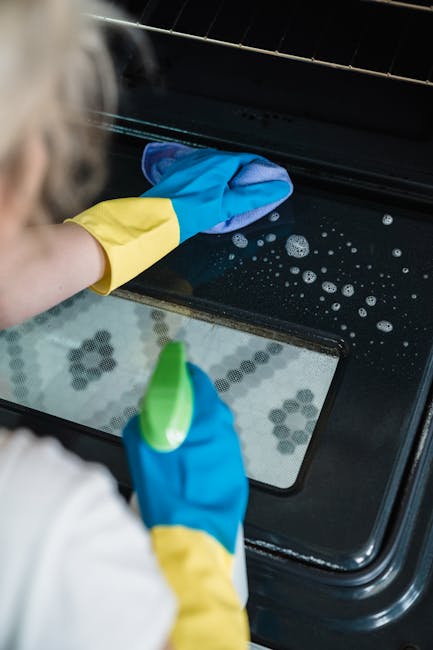
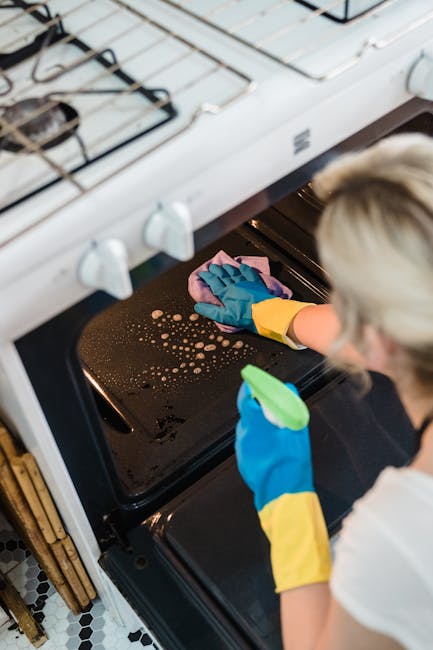
Professional oven cleaning is usually a methodical, hands-on process rather than a quick spray-and-wipe. A good cleaner will assess the appliance first, noting the type of oven, the level of build-up, and any removable parts such as racks, trays, fan covers, or door glass components. The aim is to clean thoroughly while protecting seals, finishes, heating elements, and nearby surfaces.
In most cases, the process begins with disassembly of removable parts. These are then treated separately so grease can be broken down more effectively. The main cavity is cleaned inside, including the roof, walls, base, door, and hard-to-reach edges. The glass is treated carefully to remove smeared residue and burnt-on marks. Once everything is cleaned, the components are reassembled and the appliance is checked for a neat finish.
There are different cleaning approaches, but the broad principle is the same: remove grease safely, avoid damage, and leave the oven usable straight away. Some services use dip-tank methods for removable parts, while others use low-odour, non-abrasive products and manual scrubbing. The right approach depends on the condition of the oven and the home environment. If you live in a flat, for example, lower-odour methods can be more comfortable for you and for neighbours nearby.
A sensible provider will also take care around the rest of the kitchen. The floor, worktops, extractor area, and surrounding cupboards should be protected or wiped down if needed. If you are checking service standards, it is worth reading the company's health and safety policy and insurance and safety information. Those pages give reassurance that the job is being handled with proper care, not just enthusiasm.
Key benefits and practical advantages
There is a reason oven cleaning keeps showing up on people's to-do lists, even though it rarely makes the fun list. The benefits are immediate and practical.
- Better appearance: A clean oven makes the whole kitchen feel more finished and less cluttered, even if everything else is already tidy.
- Reduced odours: Burnt residue is often the source of that odd stale smell that appears when the oven warms up.
- Improved cooking conditions: A cleaner cavity and glass door make it easier to monitor food and keep the appliance running as intended.
- Less hassle: Removing hardened grease by yourself can be unpleasant and time-consuming. Professional cleaning saves a lot of elbow grease, literally.
- Better for move-outs and inspections: If you are a tenant, landlord, or property manager, a properly cleaned oven can prevent awkward disputes and last-minute panic.
- Helps protect the appliance: Regular maintenance can reduce the kind of build-up that makes cleaning harder later on.
There is a quieter benefit too: it changes how the kitchen feels to use. The room smells fresher. The glass is clear. The appliance looks cared for. That small reset can make everyday cooking more pleasant. It sounds minor, but in a busy house or a small flat, these details add up.
Expert summary: If an oven is cleaned regularly, each clean tends to be quicker, safer, and more effective. Leave it for too long and the job becomes tougher, more stubborn, and more expensive in effort. Simple as that.
Who this is for and when it makes sense
Oven cleaning for Holland Park Road houses and flats is relevant to a lot of people, not just those with a heavily used kitchen. In our experience, the strongest demand usually falls into a few familiar groups.
Homeowners
If you cook often, entertain guests, or just want the kitchen to feel properly maintained, regular oven cleaning is a sensible part of home care. Households with children often see faster build-up because cooking happens more frequently and sometimes more messily. No judgement there. Life is messy.
Flat owners and renters
In flats, ovens can gather noticeable grease and odour faster because kitchens are compact and ventilation may be more limited. A deep clean is especially useful before inspections, after a long winter of heavier cooking, or when you simply want the kitchen to feel lighter and fresher.
Landlords and letting agents
For managed properties, a clean oven is a small detail with outsized impact. It affects move-in impressions and can reduce the back-and-forth that sometimes happens at check-out. If you manage several homes, consistency matters, and it is usually easier to keep things under control than to fix a neglected appliance later.
Busy professionals
If you are in and out all day, you probably do not want to spend a Saturday scraping baked-on residue from oven doors. Fair enough. A scheduled professional clean removes that burden from your week and lets you get on with everything else.
It also makes sense if your oven is smelling smoky, if food is cooking unevenly, if the glass is too stained to see through properly, or if you are preparing for an event and want the kitchen to look crisp rather than lived-in.
Step-by-step guidance
If you have never booked this kind of service before, it helps to know what usually happens. The process should feel organised, not mysterious.
- Assess the oven type and condition. A single oven, double oven, range-style appliance, or compact built-in model each needs a slightly different approach. A good cleaner will consider the layout before starting.
- Clear nearby space. Before the appointment, remove loose items from around the oven and make sure the area is easy to access. In a flat, that can mean shifting a bin, chair, or small kitchen trolley out of the way.
- Remove shelves and accessories. Trays, racks, and similar parts are usually cleaned separately so grease can be treated more effectively.
- Protect surfaces. The surrounding floor and nearby surfaces should be kept tidy and shielded where necessary.
- Apply the appropriate cleaning method. The process may involve manual scrubbing, specialist cleaning solutions, or a combination of both. The best method depends on the level of build-up.
- Work on stubborn residue. Burnt-on grease often needs a bit of patience. This is the point where shortcuts fail. A good cleaner takes the time to work through it properly.
- Clean the glass and finishing details. Door glass, handles, seals, and edges should all be dealt with carefully so the result looks complete rather than half-done.
- Reassemble and check the finish. Once the parts are dry and ready, everything is put back together and the oven is left neat and usable.
One useful thing to remember: if an oven has not been cleaned for a long time, a professional clean may improve it greatly, but it may not make it look brand new. That is not a failure. It is just the reality of hardened residue and wear. Better to have a realistic expectation than a disappointing one.
Expert tips for better results
Small habits make a big difference. Not exciting, perhaps, but true.
- Book before the build-up gets severe. Light grease is much easier to remove than months of baked-on residue. Waiting longer rarely helps.
- Keep the oven door clear after cooking. A quick wipe after the appliance cools can prevent sticky residue from hardening.
- Use the extractor when cooking. Better airflow means less greasy deposit settling on the oven and surrounding kitchen surfaces.
- Choose the right timing. If you are in a flat, try to book at a time when the kitchen can be aired briefly afterwards.
- Ask about the process. Good providers are usually happy to explain what is included, what products are used, and how long it should take.
- Match the clean to the occasion. For a move-out, a full deep clean may be sensible. For routine upkeep, a lighter but still thorough service may be enough.
There is also a little practical trick worth mentioning: a clean oven stays pleasant for longer if you handle spills promptly. Once food has turned into a dark, crusty patch, you have given yourself a much harder job later. Seen it many times.
If you care about how waste is handled, you may also want to look at the company's recycling and sustainability approach. It is a small detail, but it often says something useful about how thoughtfully the service is run.
Common mistakes to avoid
People often make oven cleaning harder than it needs to be. Usually by trying to rush it, or by using the wrong products. A few avoidable mistakes come up again and again.
- Using harsh abrasives on glass: Scrubbing too aggressively can scratch the surface or leave it looking cloudy.
- Ignoring seals and edges: These are often where grease hides. Miss them, and the oven still smells dirty after cleaning.
- Cleaning before the oven is fully cool: Heat can make some products behave unpredictably and increase the risk of burns. Not worth it.
- Assuming every stain will vanish instantly: Some marks are old, baked-in, and stubborn. A proper clean improves them, but it may take patience.
- Forgetting to check what is included: Some services focus on the main cavity, while others include racks, trays, door glass, and other parts. Always confirm the scope.
- Booking based on price alone: Cheap is not always bad, but the lowest figure can hide a very limited service. A sensible comparison looks at value, safety, and thoroughness too.
And here is a small one: do not fill the oven straight after a deep clean if the shelves are still settling or the interior has not been fully reassembled. It sounds obvious, but in real life people do this. Then they wonder why the tray is at a strange angle. Human beings, honestly.
Tools, resources and recommendations
Professional oven cleaning uses more than just a sponge and determination. The details matter. In a well-run clean, you would normally expect some combination of the following:
- non-abrasive cleaning solutions suited to the appliance
- microfibre cloths and wiping materials
- protective coverings for surrounding surfaces
- scrapers or detailing tools used carefully where appropriate
- separate treatment for removable racks and trays
- careful drying and reassembly before handover
For homeowners, the most useful resource is often the simplest one: a clear service page, a transparent quote, and a provider that answers questions without fuss. If you want to understand how a company handles bookings and payments, it can help to review payment and security information and then compare that with contact details if you want to ask about a specific appliance or kitchen layout.
For people juggling multiple household tasks, a practical recommendation is to combine oven cleaning with other kitchen maintenance rather than treating it as a one-off emergency. That might include the extractor, the hob, or the general kitchen wipe-down. A coordinated approach often feels less disruptive, especially in smaller flats where every hour counts.
Law, compliance, standards, or best practice
Oven cleaning itself is not usually a heavily regulated domestic service, but there are still sensible standards to expect. In the UK, a reputable cleaner should follow normal health and safety practices, use products appropriately, protect surfaces, and work in a way that minimises risk to the household. That sounds basic. It should be basic. Yet it is still worth checking.
Best practice usually means:
- using suitable methods for the appliance type
- avoiding damage to seals, coatings, hinges, and glass
- working with care around heat, electricity, and ventilation
- being clear about what is and is not included
- handling customer information and payments responsibly
If you are booking a service into a rental property, the practical side can matter as much as the cleaning itself. Clear terms, good communication, and documented expectations help reduce disputes. For that reason, it is worth checking the provider's privacy policy, terms and conditions, and, if needed, complaints procedure. Nobody wants to use it, of course, but it is reassuring to know it exists.
If accessibility matters to you or a member of your household, you can also review the company's accessibility statement before making contact. Small detail, big peace of mind.
Options, methods, and comparison table
Not every oven clean is the same. The right option depends on condition, access, budget, and how quickly you need the result. Below is a simple comparison to help you think it through.
| Option | Best for | Typical strengths | Possible drawbacks |
|---|---|---|---|
| Light maintenance clean | Ovens cleaned regularly | Quick, low disruption, keeps build-up under control | May not remove heavy, baked-on residue |
| Deep professional clean | Greasy ovens, move-outs, neglected appliances | More thorough, better for stubborn deposits, stronger visual result | Takes longer and may cost more |
| DIY cleaning | Very light build-up and careful users | Low direct cost, flexible timing | Time-consuming, messy, easy to miss hidden areas |
| Same-day urgent clean | Last-minute inspections or events | Fast turnaround, convenient | Availability may be limited, less time for heavy residue |
For many Holland Park Road households, a deep professional clean is the most practical choice when the oven has been neglected or when a move is approaching. For regular upkeep, lighter maintenance may be enough. The trick is matching the method to the condition, not just the calendar.
Case study or real-world example
Here is a straightforward real-world scenario. A busy couple in a Holland Park Road flat had let their oven go for a few months during a period of work deadlines and travel. The oven still worked, but every time they used it, a faint burnt smell drifted through the kitchen. Not dramatic, just annoying. The glass was streaked, the racks were sticky, and the cooker hood had to work harder than usual to keep up.
They booked a professional oven clean before a family dinner. The cleaner removed the shelves, treated the greasy areas carefully, worked on the door glass, and dealt with the stubborn residue around the edges of the cavity. Nothing magical. Just methodical, patient work. By the end, the oven looked brighter, the smell had gone, and the kitchen felt easier to use again.
The best part? The couple said the whole room felt lighter. That is a small thing, maybe, but it is real. When a kitchen smells clean and the oven door is clear, you notice it every time you walk in. It changes the mood a bit.
Practical checklist
Use this checklist before booking or before your cleaner arrives:
- Confirm whether you need a light clean, deep clean, or end-of-tenancy clean.
- Check which parts are included: racks, trays, door glass, seals, and exterior panels.
- Make sure the kitchen area is accessible.
- Remove any loose items stored near the oven.
- Ask about product type if you have sensitivities or ventilation concerns.
- Review pricing, payment, and booking terms in advance.
- Allow enough time for the clean to be completed properly.
- If the oven is especially dirty, say so upfront. It helps everyone.
- For added reassurance, read the company's insurance and safety information before confirming.
- After the clean, check the glass, shelves, and edges before signing off the job.
One-line version? Prepare a little, ask clear questions, and expect a proper finish. That alone avoids a surprising number of headaches.
Conclusion
Oven cleaning for Holland Park Road houses and flats is one of those jobs that quietly improves daily life. It makes the kitchen smell better, look better, and work more comfortably. It also helps if you are moving, renting, hosting, or simply trying to stay on top of home care without spending your weekend on your knees with a sponge and a grim expression.
The main thing is to choose a service that is transparent, careful, and realistic about what it can achieve. Good cleaning is not about flashy promises. It is about method, consistency, and respect for the property. Whether you live in a compact flat or a larger house, that kind of attention makes a difference you can feel straight away.
Get a free quote today and see how much you can save.
If you are ready to make the kitchen feel fresher again, the next step is simple: ask the right questions, compare what is included, and choose the option that fits your home properly. Small win, but a worthwhile one.
Frequently Asked Questions
How often should I book oven cleaning for a house or flat on Holland Park Road?
It depends on how often you cook. For regular family use, many people find a deep clean every few months sensible, while lighter-use ovens may need it less often. If you notice smoke, smell, or heavy staining, that is usually the clue before a calendar reminder is.
Can oven cleaning help with bad smells in the kitchen?
Yes, often it can. Lingering smells commonly come from grease and burnt residue inside the oven or on the door glass. Once those are cleaned away properly, the kitchen usually smells fresher when the appliance heats up.
Is professional oven cleaning safe for all oven types?
Most domestic ovens can be cleaned safely when the right method is used. The cleaner should consider the appliance type, the condition of the seals and glass, and any manufacturer-style sensitivities. If in doubt, ask before the appointment.
Do I need to empty the oven before the cleaner arrives?
Yes, ideally. Remove trays, tins, food, and anything stored nearby so the cleaner can access the appliance easily. A little prep saves time and avoids awkward mid-clean shuffling around a hot tray that should have been moved already.
How long does oven cleaning usually take?
It varies by size and condition. A lightly used oven may be quicker, while a heavily neglected one takes longer. Double ovens and range-style appliances also naturally take more time than a standard single oven.
Will the oven look brand new after cleaning?
Not always. A very dirty oven can improve dramatically, but older marks, wear, or damage may remain visible. A good cleaner should be honest about what is achievable rather than promising miracles.
What should I ask before booking an oven cleaning service?
Ask what is included, what cleaning method is used, whether racks and glass are covered, how long the job should take, and how pricing works. If you are comparing options, the company's pricing and quotes page is a sensible place to start.
Is oven cleaning suitable for rented flats?
Yes, and it is often especially useful in rented properties. A clean oven can make check-out smoother and reduce disputes over cleanliness. It is one of those jobs that pays off quietly but properly.
Can a dirty oven affect how food cooks?
It can. Heavy grease build-up may affect heat distribution, airflow, and the general performance of the oven. You may also see more smoke or smell while cooking, which nobody enjoys halfway through dinner.
What if I have concerns about safety, insurance, or complaints?
That is sensible to ask about. A professional provider should be clear about safety practices, insurance, and what happens if something goes wrong. The relevant pages on health and safety, insurance and safety, and complaints handling can help you check that in advance.
Can I combine oven cleaning with other kitchen cleaning tasks?
Yes, and many people do. It is often efficient to coordinate the oven, hob, and general kitchen tidy-up at the same time, especially if you are preparing for guests or a property handover. One visit, less disruption, simpler life.
How do I book or ask for more information?
If you want to ask about availability, access, or the type of oven you have, use the company's contact page. A quick message with a few details usually gets you a much more accurate answer than guessing ever will.
And if you are the sort of person who likes checking the finer print before booking, that is completely fair. A little care upfront saves a lot of annoyance later, which, in a busy London home, is never a bad thing.