Holland Park Cleaners in Holland Park

We provide cleaning services in Holland Park for homes and workplaces that need careful, practical support rather than a one-size-fits-all approach. The core of the service is straightforward: rooms, surfaces and fixtures are cleaned to a usable standard, with attention to the details that matter in lived-in or actively used spaces. That can include regular domestic cleaning, one-off deeper cleaning, specialist floor and fabric care, and cleaning support for offices and other professional settings.
Our work is shaped by the condition of the property and the type of finish required. Some spaces only need routine upkeep; others call for more intensive cleaning after a busy period, refurbishment, or a tenancy change. Pricing and quotes are discussed in relation to the tasks involved, so the most relevant service can be matched to the scope of work. If you are deciding what to book, a short list of priorities is usually enough to begin.
Use this page to see the main service groups, compare the kinds of cleaning that suit different situations, and choose the route that fits your property. Request a quotation when you are ready, or simply make a note of the service that looks closest to your needs and ask for the next step in plain terms.
Domestic cleaning for homes that need consistent upkeep
Domestic cleaning is the most familiar service for many households, but it is still worth being clear about what is included. Routine home cleaning usually focuses on visible dirt, dust, marks and general tidiness across the main living spaces, with attention to kitchens, bathrooms, floors and commonly touched surfaces. The aim is to keep a home comfortable and presentable without turning the visit into an exhaustive clear-out or a specialist restoration job.
We can adapt domestic cleaning to different kinds of properties, including flats, family houses and shared homes, while keeping the work practical and manageable. Some customers want weekly or occasional help with the same list of tasks each time; others prefer a broader clean after a pause in upkeep. A sensible domestic cleaning plan should focus on the rooms and finishes that need the most regular attention, rather than trying to treat every property in exactly the same way.
When you compare this with other options, think about the result you want rather than only the room count. If the property is broadly tidy and just needs regular care, a standard clean is often the most efficient choice. If there are stronger build-ups of grime, neglected corners or a need to work across more surfaces, a deeper option may be more suitable. That difference matters because the time, products and sequence of tasks are not always the same.
Deep cleaning when the property needs a more thorough reset

Some homes and workplaces need more than routine upkeep, especially after an event, a period of low maintenance or a build-up of stubborn dirt. Deep cleaning is designed for that kind of job. It goes further into edges, fittings, awkward spots and surfaces that are not always covered in a standard visit, with a stronger emphasis on detail and turnaround. Deep cleaning is useful when the aim is to bring a property back to a higher baseline before normal maintenance resumes.
This type of service is often chosen where build-up has occurred in kitchens, bathrooms, around skirting, behind furniture or on neglected touchpoints. It is also sensible for spaces that have been busy, such as rented homes between occupiers or shared areas that have lost their normal rhythm. The work should still be realistic: deep cleaning is not a repair service, and it will not replace specialist treatment where surfaces are damaged, stained beyond cleaning or in need of refurbishment.
For a quote, it helps to be specific about which areas need the most attention and whether the property is furnished or empty. A short note about the condition of the kitchen, bathroom, floors and any particularly difficult areas is usually enough to set expectations. Ask for a quotation once you know whether the job is routine, intensive or somewhere between the two.
End of tenancy cleaning for move-in and move-out situations
End of tenancy cleaning is different from an ordinary domestic clean because the job usually needs a more structured finish across the property. It is commonly chosen when a tenant is moving out, when a landlord wants the place ready for the next occupier, or when a letting agent needs the property prepared after departure. The work often combines general cleaning with closer attention to fixtures, fittings, kitchen areas and bathrooms.
Where relevant, end of tenancy cleaning can be planned to cover the rooms that are most likely to attract scrutiny during handover. That may include surfaces in kitchens, sanitary areas, internal windows, cupboards and floors. The exact scope should be based on the condition of the property and the agreed priorities, because not every tenancy turnover involves the same level of cleaning or the same starting point.
It is usually best to separate cleaning from any repairs, redecoration or inventory matters. If a property still contains belongings, has heavy build-up in the oven or requires extra work in one room, that should be explained at the enquiry stage so the plan is realistic. Clear information at the start makes it easier to match the cleaning tasks to the time available and the finish expected.
Specialist care for carpets, rugs and upholstered furniture

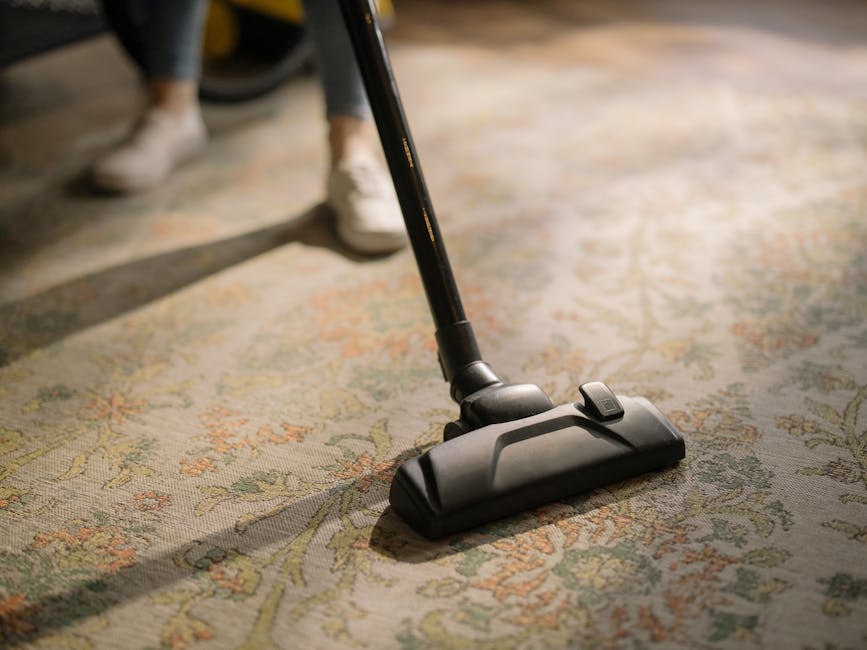
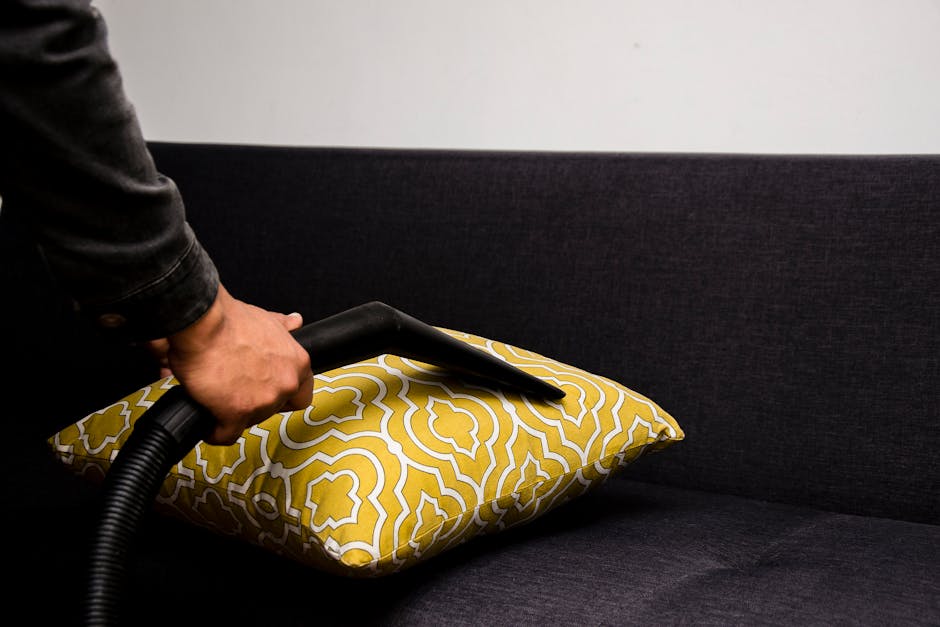
Fabrics and pile surfaces need a different approach from hard floors and painted walls. Carpet cleaning, rug cleaning and upholstery cleaning are all about working carefully with material, texture and condition so that dirt is removed without treating every item in the same way. Some pieces are suited to lighter maintenance; others need a more focused clean because they hold dust, spill marks or everyday traffic in deeper layers.
If you need carpet cleaning, the relevant questions are usually the fibre type, the amount of wear and whether the carpet has visible staining, dullness or general soiling. Similar thinking applies to rug cleaning, where construction and dyes may affect the method. Upholstered furniture benefits from the same careful judgement, especially if the item is used daily and has collected surface dust, body oils or localised marks over time.
These services are often useful where appearance and hygiene both matter, but it is important to be realistic about results. Cleaning can improve freshness, lift loose dirt and reduce the look of wear, yet it cannot always reverse permanent damage or previous bleaching, friction or staining. If you are weighing up which item should be treated first, start with the pieces that have the most visible use or the greatest effect on the room as a whole.
Window, oven and floor cleaning for harder working surfaces
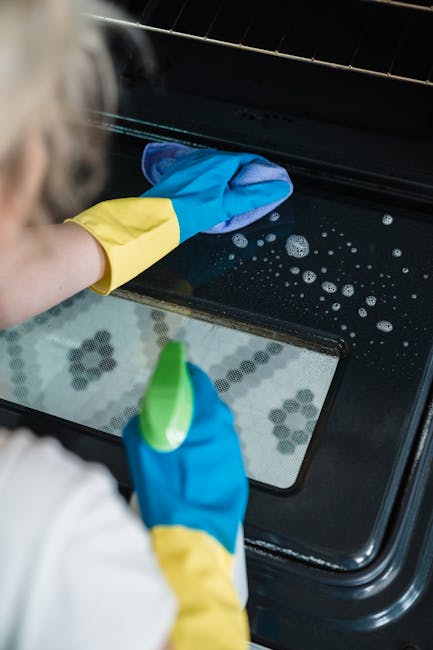
Some parts of a property take more wear than others, and they tend to benefit from individual treatment rather than being left to general cleaning alone. Window cleaning helps improve clarity and reduce the build-up of marks on glass and frames, while oven cleaning targets grease, burnt residue and the stubborn deposits that gather with regular cooking. Hard-floor cleaning is more about restoring a clean, even finish on surfaces that show scuffs, dust and daily traffic.
For glass and frames, window cleaning is typically most useful when the aim is to improve appearance and light without disturbing the wider property. For cooking spaces, oven cleaning is a more focused task that works on grease and carbonised residue in and around the appliance. Hard floor cleaning is best considered where tiles, sealed timber or similar floors need attention beyond simple sweeping or mopping.
These services can sit alongside a larger clean, but each one benefits from an individual decision about timing and condition. For example, a kitchen may need the oven and surrounding area dealt with in one visit, while a hallway floor may be treated as part of a wider property clean. The important point is to define what needs specialist attention, so the work is not diluted into a vague all-purpose visit.
When a specialist service is the better fit

It is not always obvious whether a property needs a standard clean or a more specialist task. The decision often comes down to the material and the type of dirt involved. A greasy oven, a stained rug or a heavily used carpet does not respond in the same way as a dusty shelf or a marked worktop. Choosing the correct service avoids overselling the job and helps the cleaning effort go into the right places.
Before you enquire, it can help to list the surfaces that are most important to you. Useful examples include:
- carpets that have become flat or visibly marked
- upholstery that needs a fresher appearance
- ovens with baked-on residue
- windows showing internal or external dirt
- floors that need more than a quick mop
Where several specialist jobs are needed, it is usually sensible to decide which one has the biggest effect first. That might be the kitchen appliance in a tenancy change, the carpets in a busy family home, or the windows in a property that needs a brighter overall finish. Make a short checklist, then ask for the service that best matches the main issue.
Office and commercial cleaning for working spaces
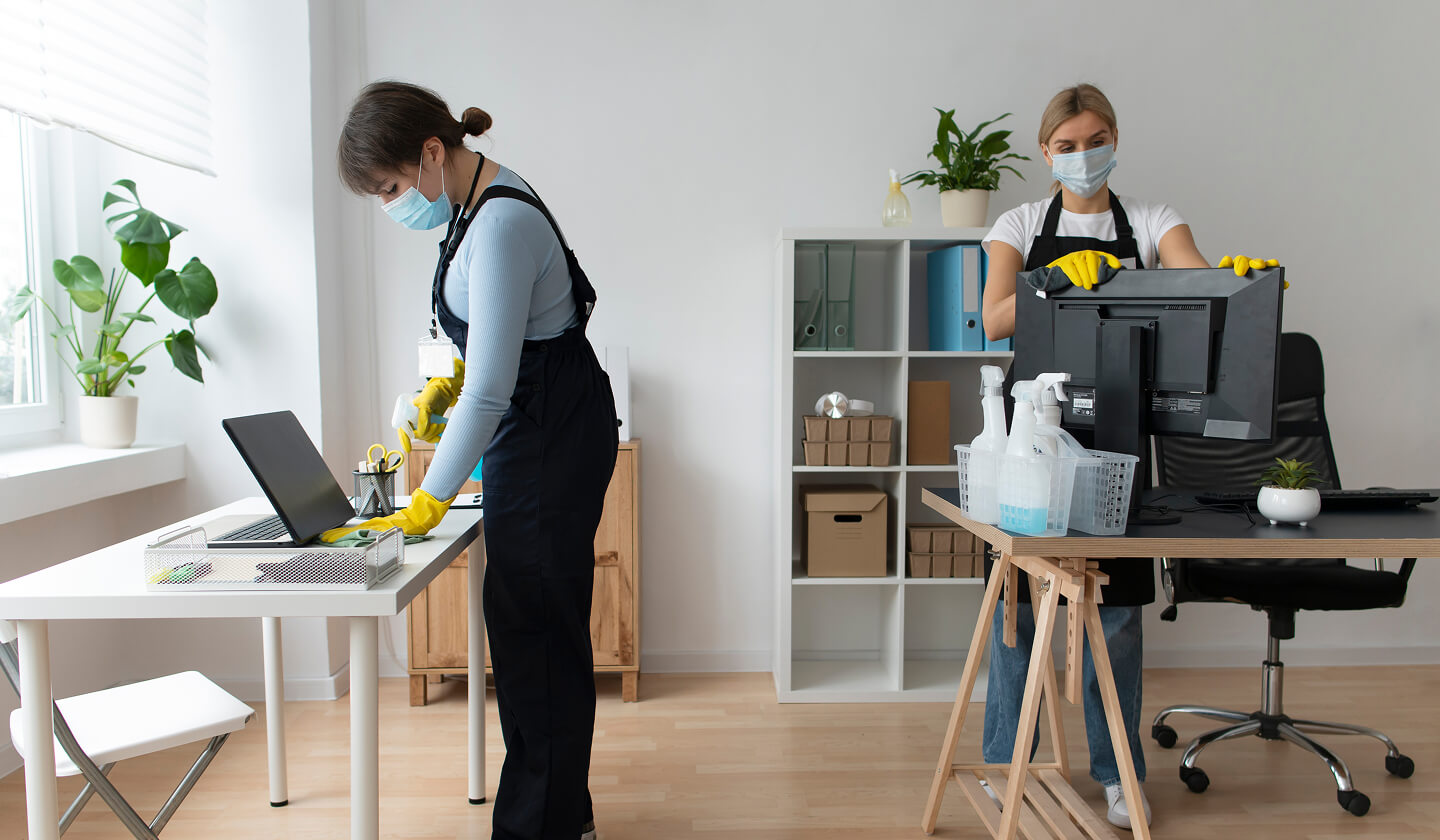
Office cleaning is about keeping work areas presentable, usable and orderly, with the right level of attention for shared desks, floors, entrances and communal points. It may also involve meeting rooms, kitchenettes and washrooms, depending on the layout of the premises. The focus is usually on practicality: maintaining a clean environment that supports day-to-day work without disrupting the rhythm of the building.
Where a business wants a broader service, office cleaning can be arranged around the rooms and touchpoints that matter most. In some cases, office cleaners are requested for ongoing maintenance; in others, a one-off visit is more appropriate after refurbishment, a particularly busy period or a change in occupancy. The exact sequence of tasks should be agreed around the property rather than assumed from a generic checklist.
Commercial spaces vary more than they first appear. A small studio, a shared office and a public-facing suite may all need different priorities even if they occupy similar floor area. It is usually worth identifying the most visible or heavily used parts of the building first, then deciding whether the remainder should be covered in the same visit. That keeps the work proportionate and easier to plan.
After-builders and one-off cleaning for properties that need extra attention
After-builders cleaning addresses the dust, fine debris and surface marks left behind once work has finished. It is a practical service for properties that have had repair, fitting or refurbishment work and now need a proper clean before they can be used comfortably again. One-off cleaning is similar in spirit but broader in scope, covering situations where a property needs a single intensive visit rather than an ongoing arrangement.
When building work has been carried out, the cleaning sequence matters. Dust tends to travel, settle in corners and cling to horizontal surfaces, so the job often begins with the areas most affected by residue and then moves through the rooms in a sensible order. If you are arranging after builders cleaning, it helps to say what type of work has been completed and whether the property is empty or still partly occupied. That information changes how the clean is approached.
A one-off cleaning visit can suit homes that need a reset after a period of low maintenance, small workplaces preparing for visitors, or any property where a structured clean is needed without commitment to a regular schedule. Tell us what the main outcome should be, and the service can be shaped around that aim rather than around a rigid standard that may not fit the property.
Practical choices, scope and quotation details

The best quote begins with a clear understanding of what should be cleaned, how much work is involved and whether any item needs special care. For most enquiries, it is enough to identify the property type, the rooms or items involved, and the main issue you want solved. A concise description is usually better than a long explanation, because it makes the important points easier to review and keeps the scope specific.
If you are comparing services, think in terms of outcome and condition. For example, a furnished flat that needs lighter upkeep may suit domestic cleaning, while a property with heavy grease, fabric wear or post-work dust may need a specialist route. Our service pages offer a simple way to choose between cleaning company options, cleaners for routine upkeep, and more defined jobs such as sofa cleaning or carpet cleaner support when individual items matter more than the whole room.
If you are ready to move forward, contact us with the service you have in mind and a short summary of the work required. Request a quotation when you are ready, and include any priorities that will help the service be matched properly to your property.
About Holland Park
Holland Park is an area in the Royal Borough of Kensington and Chelsea in west London, taking its name from the substantial park at its centre and from the wider residential district that grew around it. The park itself was once the grounds of Holland House, a Jacobean mansion built in the early seventeenth century and later badly damaged during the Second World War. The surviving ruins and the restored grounds remain one of the area’s most distinctive features, combining formal gardens, woodland paths and open lawns with quieter corners that feel far removed from the surrounding streets. The neighbourhood is also known for its large Victorian and Edwardian houses, mansion blocks and elegant terraces, many of which reflect the westward expansion of London during the nineteenth century. Around the edges of the park, streets such as those leading towards Kensington High Street and Notting Hill show the area’s mix of residential calm and urban access. Holland Park station on the Central line gives the district a direct Underground link, while nearby roads connect it with other parts of west London. Cultural life has long been part of the area’s character, helped by institutions and venues in the wider borough, as well as by the park’s own summer activities and the use of its open spaces for leisure. The district is also associated with the Leighton House Museum and other landmarks that reflect the artistic and architectural history of this part of London. Together, these elements give Holland Park a recognisable identity built from garden landscape, historic architecture and a strong sense of place.