Insider tips Holland Park upholstery cleaning near Notting Hill Gate
If your sofa has started to look tired, or that favourite armchair has picked up one too many coffee rings, you are not alone. In busy homes and compact flats around Holland Park and near Notting Hill Gate, upholstery takes a beating: muddy shoes after a quick dash in the rain, pet hair on the scatter cushions, dinner crumbs disappearing into the seams. The good news? With the right approach, professional upholstery cleaning can make a very real difference without over-wetting fabric or flattening the texture you actually like. This guide shares practical insider tips for choosing, preparing for, and getting the best from Insider tips Holland Park upholstery cleaning near Notting Hill Gate, whether you are trying to refresh a sofa, rescue dining chairs, or protect a more delicate piece.
Below, you will find how the process works, what to ask before booking, how to avoid common mistakes, and what a good outcome should look like. Nothing fluffy. Just the stuff that helps you make a sensible decision.
Table of Contents
- Why insider upholstery advice matters here
- How upholstery cleaning actually works
- Key benefits and practical advantages
- Who this is for and when it makes sense
- Step-by-step guidance before, during, and after cleaning
- Expert tips for better results
- Common mistakes to avoid
- Tools, resources, and smart recommendations
- Law, compliance, and best practice
- Options and method comparison
- Case study or real-world example
- Practical checklist
- Conclusion
- Frequently asked questions
Why Insider tips Holland Park upholstery cleaning near Notting Hill Gate Matters
Upholstery cleaning is one of those services people often leave until the fabric looks obviously dirty. By then, marks are deeper, odours have settled in, and the clean is usually more involved than it needed to be. In areas like Holland Park and Notting Hill Gate, that matters a bit more because homes often feature a mix of materials: linen blends, velvet, wool-rich fabrics, compact sofas in smaller rooms, and statement chairs that are lovely to look at but less forgiving when they get stained.
The local angle matters too. Many properties around this part of West London are well-kept but lived in. That means you are not usually dealing with just one issue; it is often a combination of everyday wear, dust, pollen, drink spills, and the sort of grime that settles gradually and quietly. You do not always notice it until the afternoon light hits the arm of the sofa and, well, there it is.
Good upholstery care is not just about appearance. It can help reduce trapped dust, freshen a room, and make furniture last longer. That last point is the one people tend to overlook. A well-cleaned piece often feels firmer, brighter, and more comfortable to use. For many households, that delays replacement by a fair margin.
If you already maintain carpets and flooring with services like carpet cleaning or broader deep cleaning, upholstery should usually be part of the same upkeep plan. Sofas and chairs collect just as much day-to-day use, sometimes more.
How Insider tips Holland Park upholstery cleaning near Notting Hill Gate Works
At its core, upholstery cleaning is about identifying the fabric, choosing the right method, loosening soil safely, and removing as much residue as possible without damaging the fibres. That sounds simple enough, but the details matter. A smart cleaner will not just "spray and scrub". They will inspect the material, test an inconspicuous area, and decide whether hot water extraction, low-moisture cleaning, dry cleaning, or a specialist spot treatment is the better fit.
Here is the basic flow you should expect:
- Inspection - The fabric type, wear pattern, stains, and any prior repairs are checked first.
- Testing - A small hidden area is tested for colourfastness and fabric reaction.
- Pre-treatment - Loose dirt and targeted stains are treated before the main clean.
- Main clean - The chosen method is applied with controlled moisture and appropriate agitation.
- Extraction or residue removal - Soiling and cleaning solution are removed as fully as possible.
- Drying guidance - You are told how long to leave the piece to dry and what to avoid meanwhile.
Different fabrics respond differently. A sturdy synthetic sofa may take a more robust approach, while a delicate velvet or vintage piece usually needs something more cautious. This is where experience really shows. The best results usually come from restraint, not force. To be fair, that is true in a lot of cleaning.
If you want upholstery as part of a wider refresh, it can sit neatly alongside sofa cleaning, rug cleaning, or a broader one-off cleaning visit when the whole room needs attention.
Key Benefits and Practical Advantages
The obvious benefit is visual: the furniture looks cleaner. But the practical advantages go further than that.
- Better first impressions - Fresh upholstery changes how a room feels instantly.
- Reduced surface grime - Everyday dust and dirt are lifted from fibres instead of sitting in them.
- Improved fabric life - Cleaning can reduce the abrasive build-up that wears textiles down.
- Odour reduction - Spills, pets, and general living smells can be eased significantly.
- More comfortable use - Sofas and chairs often feel better once they are cleaned properly.
- Cleaner home environment - A useful benefit if you have allergies, young children, or a busy household.
There is also a peace-of-mind factor. If you have guests coming, are preparing for a rental handover, or simply want the living room to feel calmer, upholstery cleaning is one of those jobs that gives you a surprisingly big return for the effort involved. It is not glamorous, but it works.
And in homes where other services are already part of the routine, such as domestic cleaning or house cleaning, upholstery maintenance fits naturally into a sensible upkeep schedule.
Who This Is For and When It Makes Sense
This type of service is useful for more people than you might think. It is not only for large homes or obvious stains. In fact, smaller flats near Notting Hill Gate often benefit just as much because furniture gets a lot of use in a tighter space.
You are probably a good candidate if:
- your sofa or chairs look dull, patchy, or slightly grey in natural light
- there are food, drink, pet, or body-oil marks on arms, seats, or cushions
- you are moving out and want the property to present well
- you have had builders, decorators, or heavy footfall nearby
- you want to protect a more expensive fabric item before damage sets in
- you have guests, events, or family staying soon and want the room to feel fresher
It also makes sense if you are already sorting other cleaning tasks and want one coordinated visit. A good local cleaning company can often help you plan around the rest of the property, whether that means end of tenancy cleaning, office cleaning, or simply a targeted refresh before the weekend.
Not every item needs full professional treatment every time, of course. Sometimes a light maintenance clean or targeted stain work is enough. The trick is knowing when a spot-clean is sensible and when a full clean is the safer bet. That judgement call matters.
Step-by-Step Guidance
Want the clean to go smoothly? Start before the cleaner arrives. A little prep goes a long way, and it avoids awkward last-minute shifting of lamp tables and cushions.
1. Check the care label or fabric type
If the item has a care label, look for the cleaning code or any notes about water sensitivity. If you do not know the fabric, say so. Guessing is how people end up with water rings or colour bleed. Not ideal.
2. Clear loose items from the area
Move throws, cushions, books, and clutter away from the furniture. It makes access easier and reduces the chance of items getting damp or misplaced. If the cleaner is working in a compact Holland Park sitting room, that extra bit of space really helps.
3. Point out stains honestly
Be specific. Mention what caused the mark if you know it, how old it is, and whether you have tried anything on it already. A wine spill needs a different approach from a grease patch or a makeup stain. Honest detail helps more than perfectly worded detail.
4. Ask about the method
Do not be shy about asking what cleaning method will be used and why. A trustworthy professional should be able to explain it in plain English. If the answer sounds vague or rushed, that is a small warning sign.
5. Make sure the drying plan is realistic
Drying time depends on fabric type, airflow, room temperature, and how much moisture is used. You should expect guidance on when the furniture can be used again. Open a window if possible, but do not blast heat directly at delicate fabric. That can backfire.
6. Protect the area afterwards
Once the clean is done, avoid using the upholstery until it is properly dry. Keep pets off it, keep shoes off it, and resist the urge to test a damp armrest with your hand every ten minutes. We have all done that last one.
Expert Tips for Better Results
The difference between a decent clean and a genuinely good one often comes down to a handful of practical choices.
- Act early on fresh spills - Blot, do not rub. Rubbing pushes liquid deeper and can spread the stain.
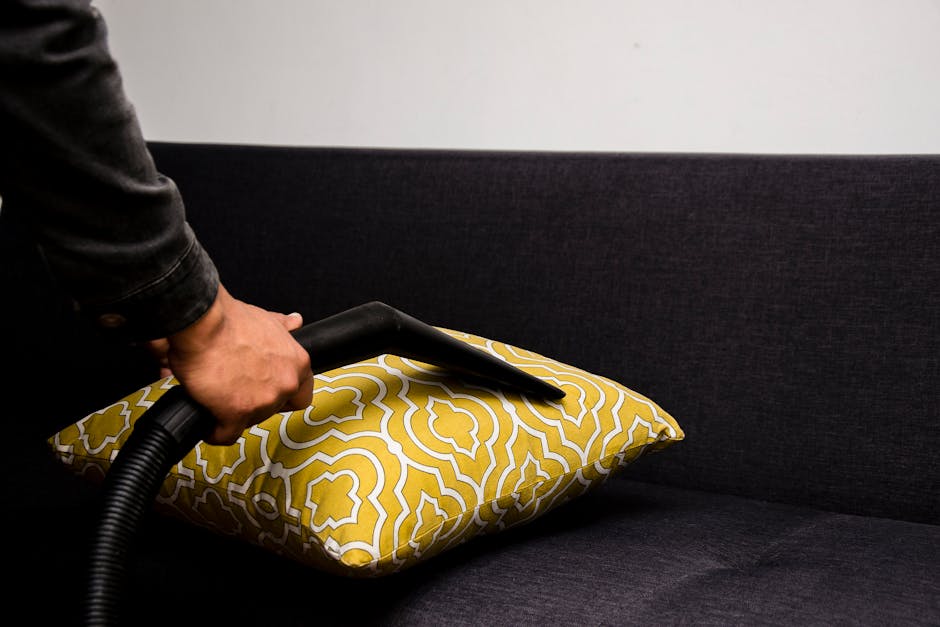
- Vacuum before cleaning - Dust and crumbs should come out first, especially around seams and under cushions.
- Keep a note of the fabric - If you own several pieces, write down the material and any previous treatment. Handy later.
- Ask for spot-testing - Especially on velvet, mixed fibres, and older fabrics with fading.
- Think about airflow - A room with decent ventilation dries faster and smells fresher afterwards.
- Schedule cleaning before grime builds up - Preventive care is usually easier than rescue work.
- Match expectations to the age of the item - Very old furniture can be improved a lot, but not made brand new. Fair warning.
A small but useful insider tip: if a stain has already been treated at home with random sprays and detergents, tell the cleaner exactly what was used. Mixed chemicals can react badly, and the residue left behind can make professional cleaning harder. A tiny detail, but it matters.
Another one: in rooms with heavy natural light, drying can look faster than it really is. The surface may seem dry while deeper layers still hold moisture. So leave it a bit longer than your eyes tell you. Truth be told, your eyes are not the best moisture meter.
Common Mistakes to Avoid
Most upholstery damage from cleaning comes from either too much enthusiasm or not enough information.
- Using too much water - Over-wetting can cause shrinkage, rings, or long drying times.
- Scrubbing stains aggressively - This can rough up the pile or push the mark deeper.
- Ignoring the fabric type - Velvet, linen, silk blends, and synthetics all behave differently.
- Not testing a hidden area - A fast clean can become an expensive mistake very quickly.
- Leaving residue behind - If detergent is not removed properly, the fabric can attract dirt again.
- Expecting miracle results on permanent damage - Some marks are improved, not erased. Better to know that upfront.
- Booking solely on price - Cheap is not always bad, but the lowest quote without detail is worth questioning.
One more mistake people make is cleaning the visible top surface and ignoring the places that really collect grime: the headrest, seat creases, piping, and the back edge that sits against the wall. Those areas tell the story of the room, for better or worse.
Tools, Resources and Recommendations
You do not need a garage full of gadgets, but the right basic tools make a noticeable difference. A professional cleaner will usually bring specialist equipment, yet as a homeowner you can still support the process well.
| Tool or item | What it helps with | Practical note |
|---|---|---|
| Vacuum with upholstery attachment | Loose dust, crumbs, pet hair | Use before any wet cleaning starts |
| Microfibre cloths | Gentle blotting of fresh spills | Better than kitchen roll for controlled absorption |
| Soft brush | Light agitation on certain fabrics | Only if fabric care allows it |
| White towels | Testing transfer and blotting | Avoid coloured towels that may bleed |
| Airflow or fan | Drying support | Use sensibly; do not overheat delicate textiles |
If you are comparing broader cleaning support, it can help to look at a company's wider service range too. For example, if the same visit could include cleaners for routine upkeep, office cleaners for workspace care, or window cleaning for a brighter overall finish, you may get a more efficient plan for the property as a whole.
Also worth checking are the company's policies and standards. Pages like health and safety policy, insurance and safety, and pricing and quotes can tell you a lot about how the business works, what you are paying for, and how seriously they take the job.
Law, Compliance, Standards, or Best Practice
Upholstery cleaning is not usually a heavily regulated service in the way some trades are, but there are still sensible standards to expect. In the UK, a professional cleaner should work safely, use chemicals responsibly, and avoid making misleading claims about results. If they are coming into your home, they should also be insured and able to explain any risks in a straightforward way.
Best practice generally means:
- testing a small area before starting
- using suitable products for the fabric and stain type
- following safety guidance for detergents and equipment
- protecting floors, skirting, and nearby furnishings
- giving clear drying instructions
- being honest about what can and cannot be removed
If you are a tenant, landlord, or managing agent, it is also wise to check your own tenancy or property terms before arranging major cleaning. That is especially true near the end of a lease. In those situations, a broader service such as end of tenancy cleaning may make more sense than a single-item clean, depending on the condition of the property.
For anyone concerned about business practices, it is perfectly reasonable to review a company's terms and conditions, privacy policy, and recycling and sustainability approach before booking. Clear information is usually a good sign. Vague answers, not so much.
Options, Methods, or Comparison Table
Different upholstery and different situations call for different approaches. Here is a simple comparison to help you think it through.
| Method | Best for | Pros | Watch-outs |
|---|---|---|---|
| Hot water extraction | Many synthetic and robust fabrics | Strong deep-cleaning effect | Can over-wet delicate textiles if used carelessly |
| Low-moisture cleaning | General maintenance and faster drying | Less drying time, good for busy homes | May be less aggressive on embedded grime |
| Dry cleaning | Very delicate or water-sensitive fabrics | Gentler on sensitive materials | Needs proper technique and suitable products |
| Targeted stain treatment | Isolated marks or spot issues | Useful for small problem areas | Not enough on its own for overall soiling |
There is no single "best" method for every sofa. The best method is the one that fits the fabric, the stain, and the level of wear. That sounds almost annoyingly sensible, but it is true. If a cleaner recommends one method for everything, I would ask a few more questions.
Case Study or Real-World Example
A typical local scenario goes like this. A couple living near Notting Hill Gate had a light-coloured fabric sofa that looked fine from a distance, but close up it had darkened arms, a dull seat area, and a faint food smell from family evenings on the sofa with the TV on. Nothing dramatic. Just enough to annoy them every time they walked into the room.
Before the appointment, they vacuumed the cushions, moved a side table, and pointed out two old stains they had already tried to clean with household spray. That bit helped a lot because the cleaner could avoid overworking those areas. A test patch was checked first, then the sofa was treated with a fabric-appropriate method and allowed to dry with the windows open for airflow.
The result was not miraculous in the film sense. It did not become a brand-new sofa. But the colour looked clearer, the arms were much better, and the room smelled fresher. The biggest change was really the feel of the place. They said it made the whole sitting room seem lighter at 8am the next morning, which is exactly the sort of thing you notice when you live with furniture every day.
That is the realistic goal. Better, fresher, cleaner. Not magic. Just proper work done properly.
Practical Checklist
Use this before booking or on the day of the clean:
- Identify the fabric if you can
- Note any stains, odours, or pet issues
- Vacuum the upholstery first
- Clear cushions, throws, and nearby clutter
- Ask what method will be used
- Confirm whether spot-testing will be done
- Check estimated drying time
- Keep pets and children away until dry
- Ask about insurance and safety practices
- Review pricing details before you commit
If the job forms part of a larger refresh, you might also want to combine it with sofa cleaning, rug cleaning, or even facade cleaning for a property-wide improvement. Different needs, same logic: tackle the visible wear before it settles in.
Conclusion
Insider tips Holland Park upholstery cleaning near Notting Hill Gate really come down to a few simple truths: know your fabric, ask better questions, avoid over-wetting, and choose a method that suits the item rather than forcing one approach onto everything. That is the kind of detail that protects your furniture and gives you a cleaner result without unnecessary risk.
For homeowners, tenants, landlords, and busy professionals alike, upholstery cleaning is one of those practical jobs that pays you back quietly. The room feels sharper. The furniture lasts longer. You stop noticing the old mark on the armrest every time you sit down. Lovely.
If you want a better experience overall, look for clear explanations, sensible safety practices, and a company that treats your furniture with care rather than speed for its own sake. That balance is what you want, especially in a home you actually care about.
Get a free quote today and see how much you can save.
And if you are still weighing it up, that is fine too. A thoughtful clean at the right time is usually better than rushing into the wrong one.
Frequently Asked Questions
How often should upholstery be professionally cleaned in a London home?
It depends on usage, fabric type, pets, children, and whether the furniture sits in a high-traffic room. Many households benefit from periodic cleaning before grime becomes deeply embedded, but there is no one-size-fits-all schedule.
Is upholstery cleaning safe for delicate fabrics like velvet or linen?
It can be, provided the cleaner tests first and uses the right method. Delicate fabrics need more caution, less moisture, and a slower, more careful approach. That part really matters.
Can upholstery cleaning remove old stains?
Sometimes yes, sometimes partly, and sometimes not completely. Old stains may have bonded with the fibre or been altered by previous home treatments. A good cleaner should explain the likely outcome before starting.
How long does upholstery take to dry after cleaning?
Drying time varies with fabric, room temperature, airflow, and the cleaning method used. A cleaner should give you a realistic window and tell you how to help the piece dry properly.
Should I vacuum my sofa before a professional clean?
Yes, if possible. Removing loose dust, crumbs, and pet hair first helps the deep clean work better and prevents surface debris from turning into slurry during treatment.
What should I tell the cleaner before they start?
Mention the fabric type if you know it, where the stains are, what caused them, and whether you have already tried any home remedies. That information helps avoid mistakes and improves the method choice.
Is it better to clean upholstery myself or hire a professional?
Light maintenance can be done at home, but professional cleaning is usually better for deep soiling, delicate fabrics, odours, or valuable pieces. It depends on the item and the risk involved.
Will upholstery cleaning leave a smell?
A properly cleaned item should smell fresher, not heavily perfumed or chemical-heavy. If a product scent is used, it should fade fairly quickly once the fabric dries and air circulates.
Can upholstery cleaning help with pet odours?
Yes, often to a good extent. Pet odours can sit in fibres and padding, so a proper clean can make a noticeable difference. Very deep contamination may need a more targeted treatment plan.
What is the difference between sofa cleaning and upholstery cleaning?
Sofa cleaning is a specific type of upholstery cleaning focused on sofas and couches. Upholstery cleaning is broader and can include chairs, stools, ottomans, benches, and other fabric-covered furniture.
How do I know if a cleaning quote is reasonable?
Look for clarity. A reasonable quote should explain what is included, how the furniture will be treated, and any limitations. If the price seems low but the details are fuzzy, ask more questions before booking.
What if my furniture was recently affected by builders' dust or renovation work?
That is a common issue in London homes. Fine dust can settle deep into fibres and seams, so a more thorough pre-vacuum and targeted cleaning approach is usually needed. In some cases, pairing it with after builders cleaning makes sense if the room itself also needs attention.